The Drive-Thru Has Evolved. Has Your Site Plan?
National Drive-Thru Day is back in 2026. When we first wrote about quick-serve drive-through design back in 2020, the pandemic was rewriting the rules of convenience almost overnight. Six years later, those adaptations have become permanent expectations.
Today’s drive-thru experience has evolved rapidly as customer expectations for ease and convenience have grown. From banks and pharmacies to quick-service restaurants, car washes, coffee shops, and even donation centers, drive-thrus have become a critical part of delivering speed, safety, and a better customer experience.
Desire for convenience isn’t new, but it keeps getting redefined.
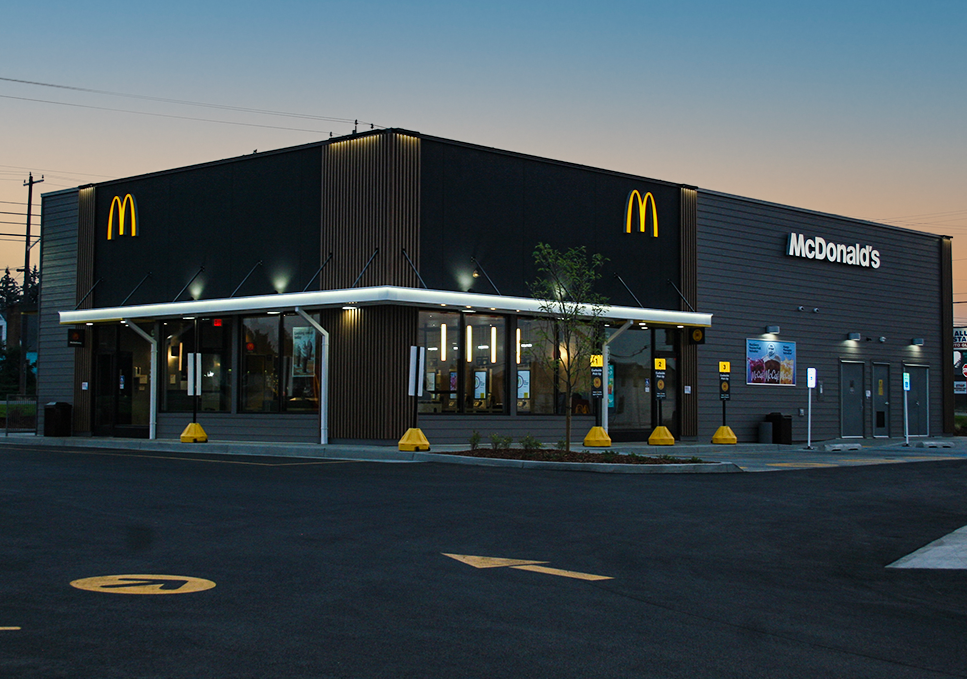
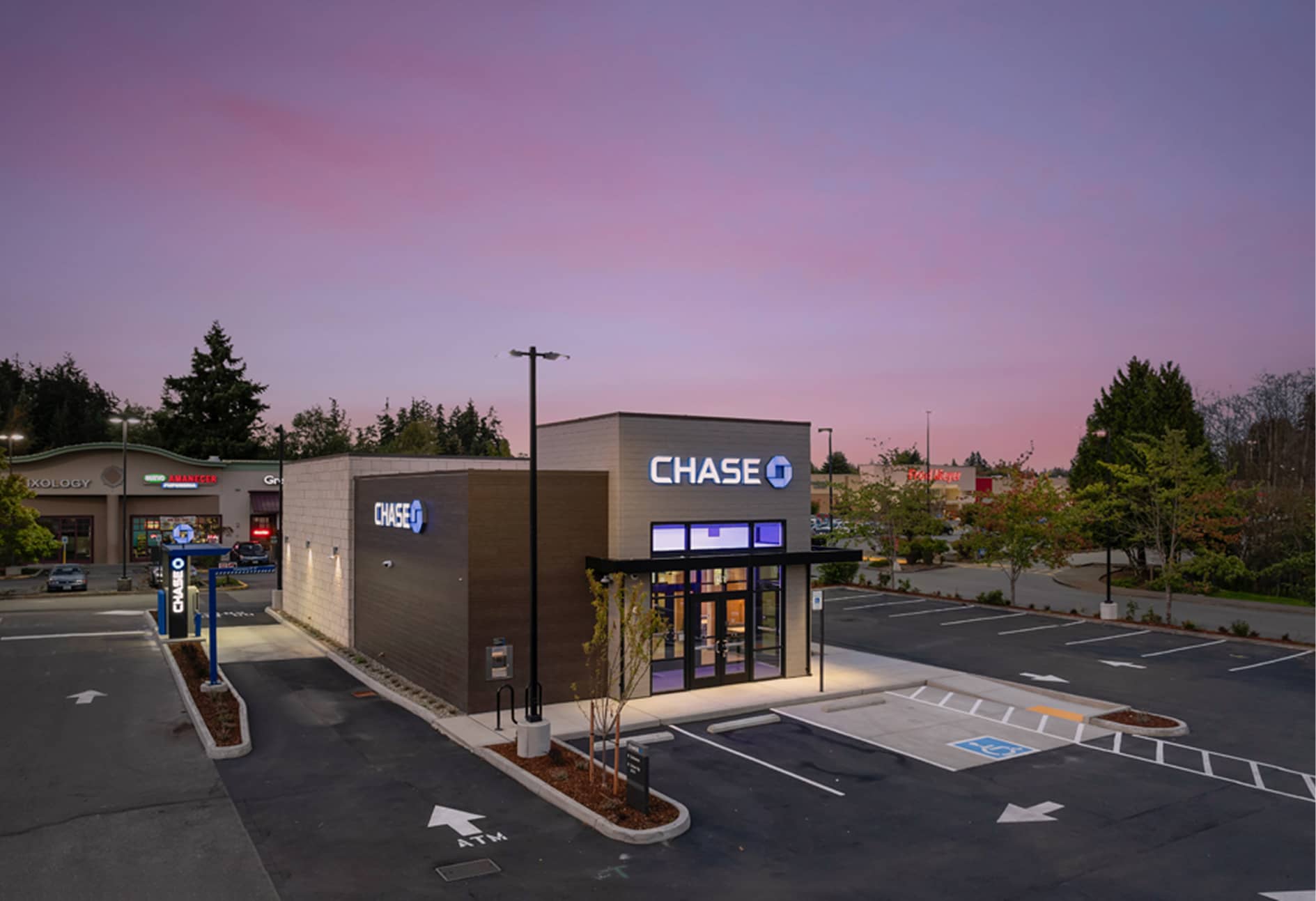
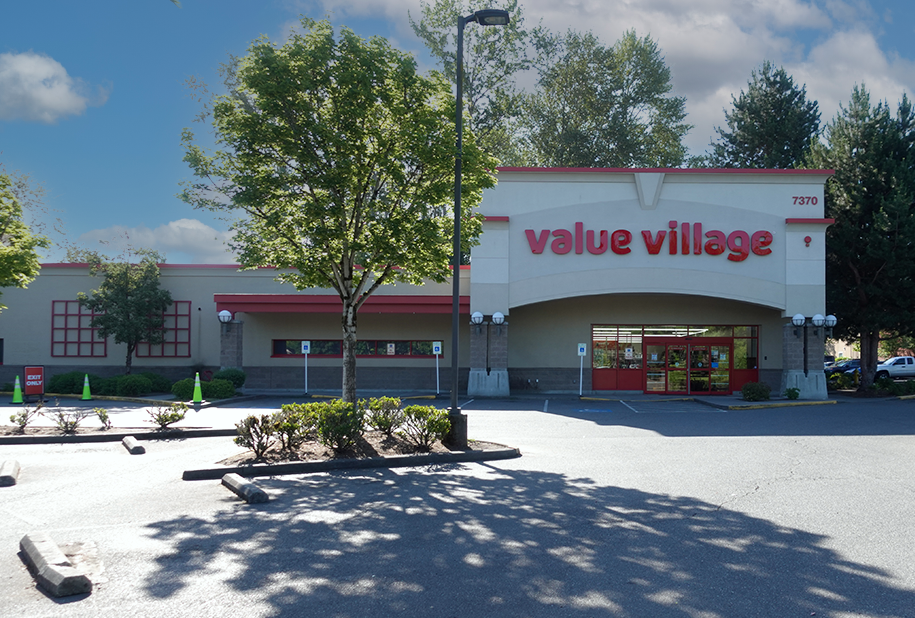
Before 2020, drive-thrus already accounted for as much as 70 percent of fast-food revenue. The pandemic accelerated that reliance and pushed nearly every customer-facing industry to ask the same question: how do we serve people who don’t want to get out of their cars? The answer looks different depending on who’s asking. A bank needs secure, efficient teller lanes. A QSR needs speed and stacking capacity. And now, even nonprofit resale retailers like Savers have introduced donation drive-thrus, letting customers drop off goods without ever leaving their vehicle. The common thread across all of them: the drive-thru has become a front door, not a side entrance.
Three keys to successful drive-thru projects in 2026
Designing these spaces requires thoughtful planning for traffic flow, site circulation, safety, and operational efficiency, while supporting the specific goals of a unique business. Whether it’s a single-lane prototype or a complex multi-use site, these steps are integral to a successful project.
1. Do your due diligence.
Thorough investigation of the site and local agency requirements saves downstream time and money; pay special attention to drive thru-specific ordinances. Municipal requirements have evolved as more industries adopt drive-thru formats.
- Site constraints: Investigating the existing site and/or building continues to uncover unknowns, especially as more non-restaurant brands retrofit existing buildings for drive-thru or drive-up use.
- Local agency requirements: Jurisdictions are still catching up to the pace of drive-thru innovation. Many local codes were written with a single QSR lane in mind and haven’t kept pace with banking, donation, or multi-brand drive-thru formats.
- Local agency processes and fees: Traffic studies, utility fees, and public hearings remain part of the approval process, and can extend timelines further when a site’s use case doesn’t fit neatly into existing zoning categories.
2. Make the most of the site space.
Space, organization, and flow remain the foundation of a good site plan, and an accurate as-built survey is the best starting point.
- Is the site zoned for a drive-thru, drive-up, or donation lane–and do the visibility, setback, and stacking requirements differ by use?
- Is there enough space to accommodate multiple service types (order, pickup, mobile, donation) without creating conflict points?
- Is there clear, adequate ingress and egress for every lane on-site?
- Will increased or diversified drive-thru traffic affect existing parking or pedestrian circulation?
- Does the traffic pattern still work with the surrounding environment as volume and vehicle types change?
3. Configure the site to meet your goals.
Prototypes keep putting new twists on the familiar. Mobile order pickup lanes, dedicated curbside spaces, smaller store footprints, and now donation and banking drive-thrus have all become part of the same conversation. Your site and your business goals need to align, with any limitations accounted for early.
- What type of drive-thru or drive-up system fits your lot configuration and business model–single, double, triple lane, or something entirely new?
- Are drive-thrus well-coordinated with pickup locations, dedicated pickup lanes, or donation drop-off points?
- Given site conditions, can you integrate the technology your brand needs–digital menu boards, contactless payment, mobile order integration, license plate recognition?
- Does the whole site flow and work together as one brand experience, no matter which lane a customer chooses?
Drive-thru use continues evolving
What started as a QSR convenience has become infrastructure for an entire economy of businesses that want to accommodate and appeal to their busy customers. Designing for that reality takes the same rigor whether you’re building a double drive-thru for a national restaurant brand or a donation lane for a resale retailer.
Let’s talk about your next project.
PM Design is an architecture and engineering firm that works with some of the best-known brands in the world. Our clients include McDonald’s, Taco Bell, Savers, Raising Cane’s Chicken Fingers, Chase Bank, 7-Eleven, and Chevron, to name a few. We focus on national brand rollout programs and design for the pace of progress.
Featured Programs
High-volume, multi-site work where speed, consistency, precision, and follow-through truly matter. We help national brands move quickly and efficiently without sacrificing control, quality, or accountability.